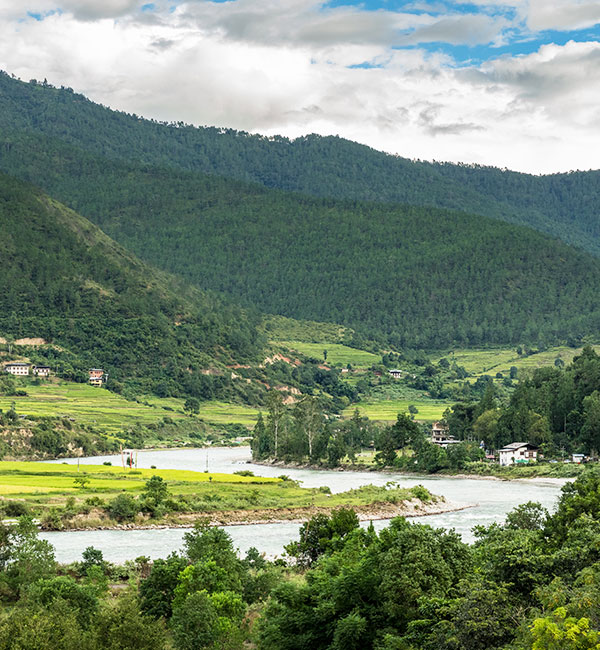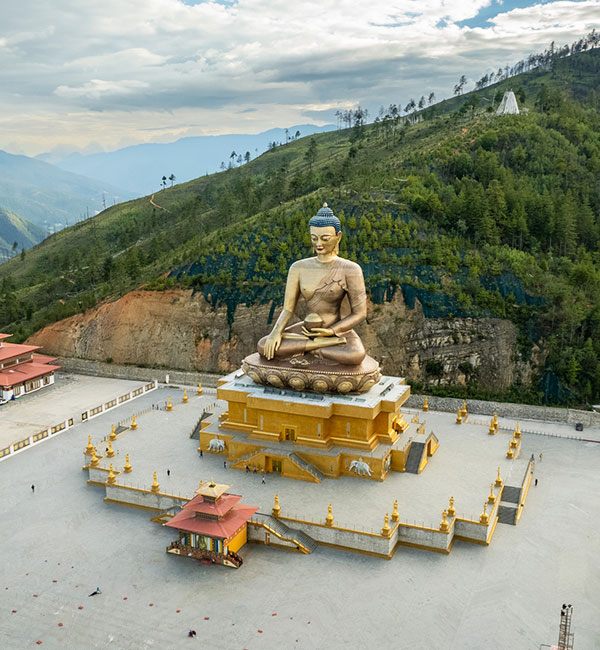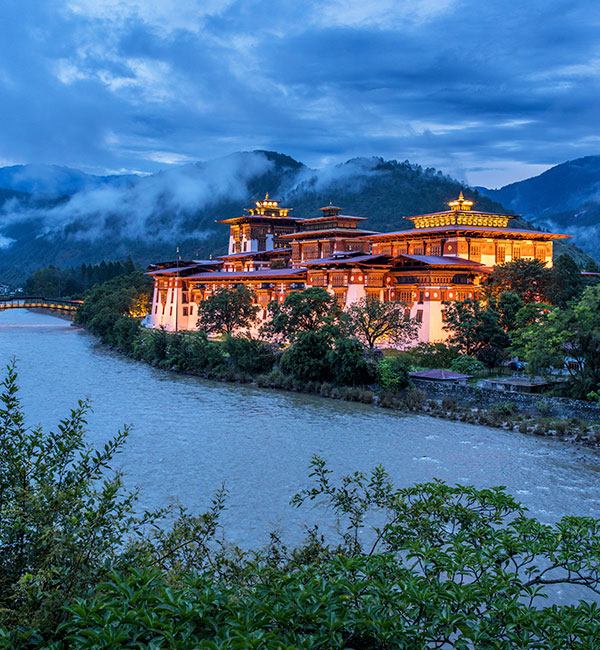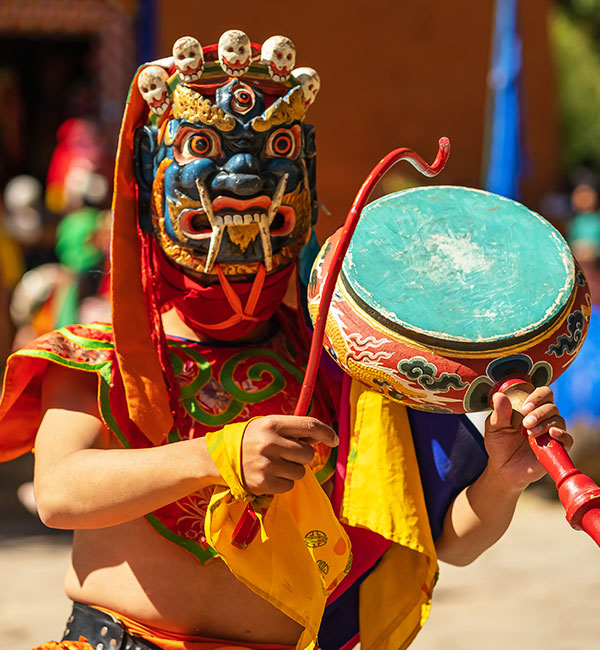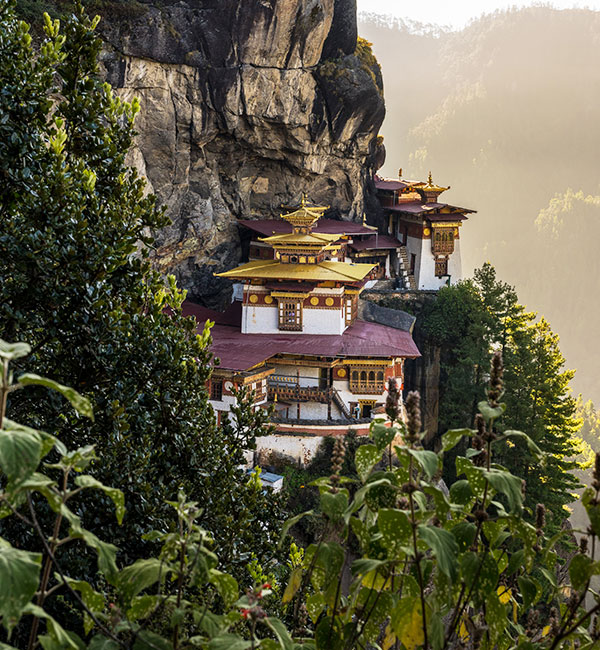
Bhutan has a unique tourism model designed to prevent overtourism and safeguard its legacy, which means you can't just book a flight and backpack about freely. All international travelers (excluding those from India, Bangladesh, and the Maldives) must book their trip with a licensed Bhutanese tour operator or an authorized international partner. Your necessary local guide and car will accompany you outside of the immediate main valleys, ensuring a smooth and culturally acceptable excursion.
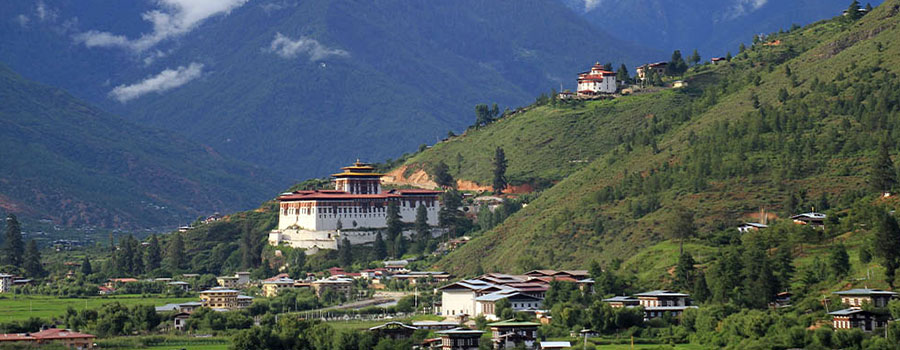
Bhutan imposes a daily fee to fund free healthcare, education, and conservation for its residents, in contrast to most places where you pay a nominal visa cost and are done. The entry visa costs $40 USD once, but international tourists must also pay a daily Sustainable Development Fee (SDF) of $100 USD per person, per night (Indian nationals pay 1,200 INR per night). It is important to note that the SDF is only a government tax and does not cover your accommodation, meals, transportation, or admission fees, which must be budgeted individually through your tour operator.
Bhutan has scrapped its previous "all-inclusive fixed package" restriction, giving you considerably more option in where you stay and eat, but the total prices can rapidly add up. All tour services, including accommodation and transportation fees, are subject to a 5% Goods and Services Tax (GST). When you combine the necessary $100 USD daily SDF with standard 3-star rooms, meals, your guide, and private SUV transportation, a mid-range traveler should expect to spend between $200 and $330 USD every day.
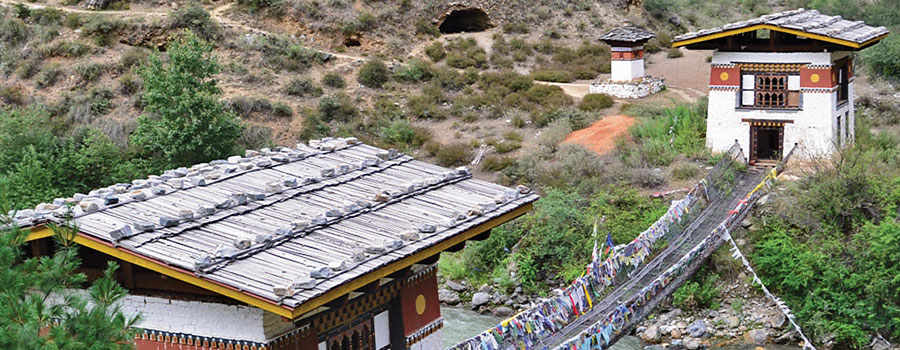
The local currency is the Ngultrum (BTN), which is tied at 1:1 with the Indian Rupee (INR). While rupees are commonly accepted throughout Bhutan, it is advised to avoid carrying 500 INR notes in rural places. ATMs can be unreliable or uncommon outside of the major centers of Thimphu and Paro, therefore bringing actual USD or INR cash to convert is strongly advised. To communicate, you may easily acquire a tourist SIM card from B-Mobile or TashiCell at the Paro airport, which gives great cellular data in major towns even when hotel Wi-Fi is intermittent.
Staying healthy in Bhutan requires planning for the altitude and having a good personal medical kit. Because pharmacy alternatives are limited outside of the major hubs of Thimphu and Paro, you should bring a sufficient quantity of your usual medicines in their original labeled bottles, as well as an English medical certificate, to easily cross customs. Given that most classic sightseeing involves climbing above 2,500 meters (8,200 feet), consulting a doctor is highly advised.
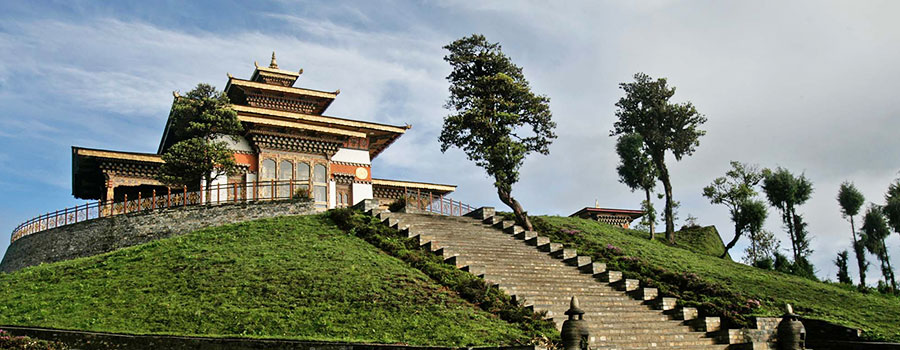
The kind of experience you wish to have in Bhutan will determine where you sleep, but everything needs to be reserved in advance and approved by the Department of Tourism. For classic comfort, the country has superb three-star to ultra-luxury boutique hotels that replicate traditional architecture while offering modern facilities such as hot water and reliable eating. If you want to experience thorough cultural immersion, choose a certified village homestay.