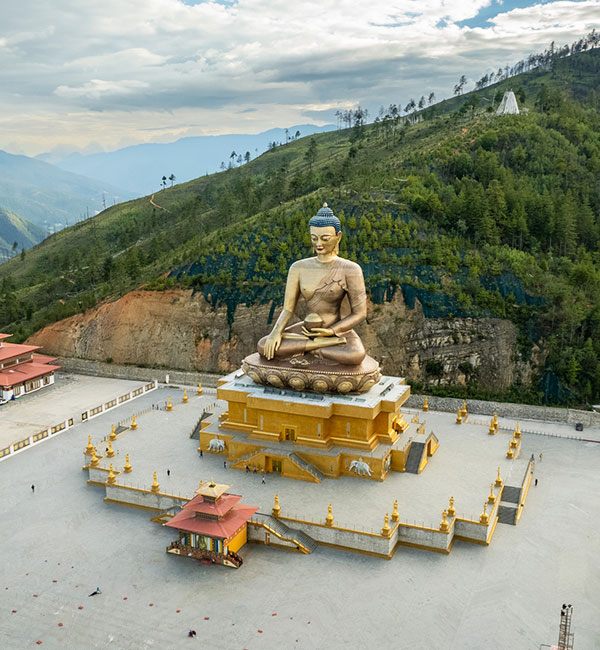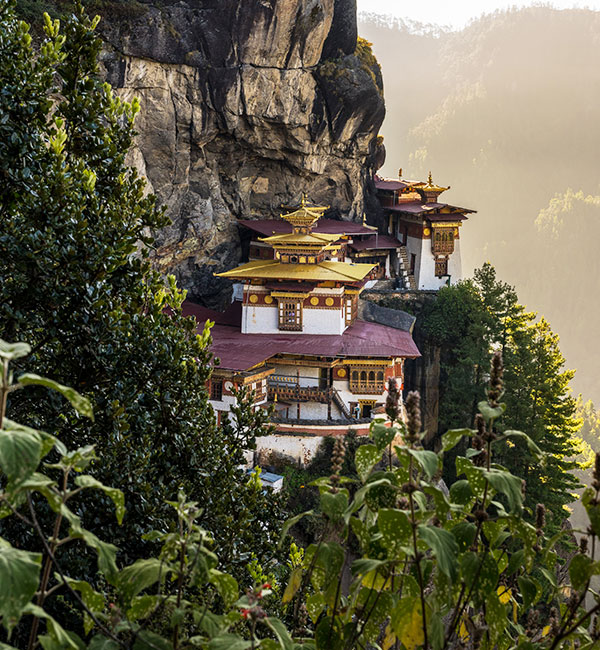
Bhutan, located in the midst of the eastern Himalayas, is unlike any other country. It is a place where Gross National Happiness (GNH) rather than GDP is used to quantify economic progress. Bhutan provides visitors with an authentic, intensely spiritual, and pristine glimpse into an ancient Mahayana Buddhist way of life by putting environmental preservation, cultural legacy, and people's well-being ahead of commerce.
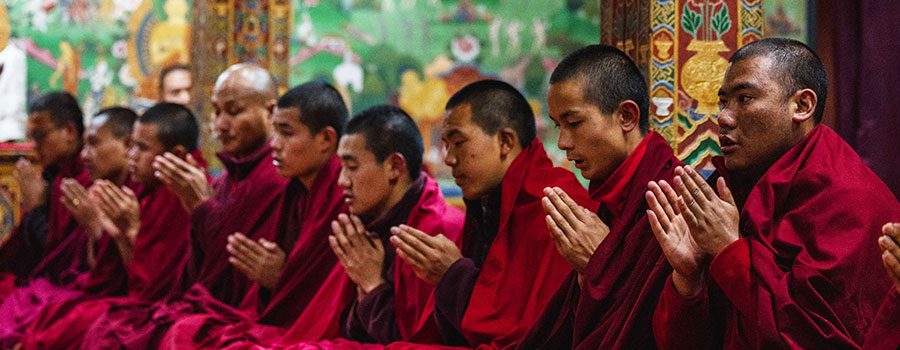
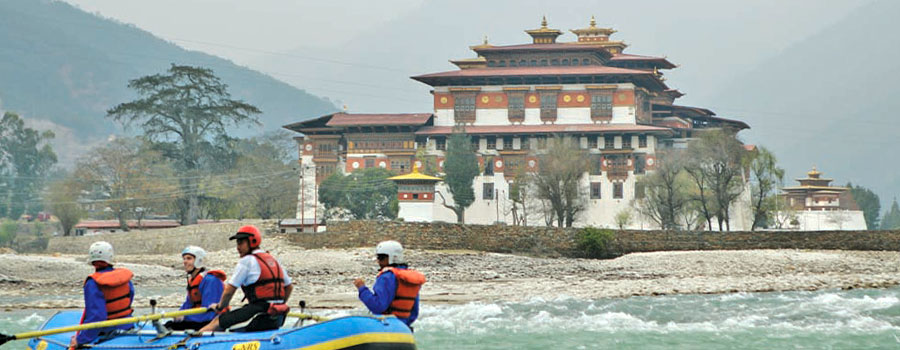
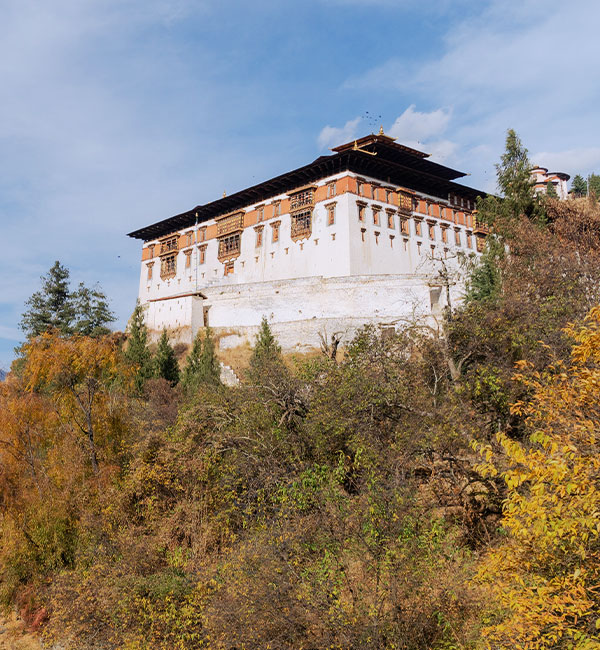
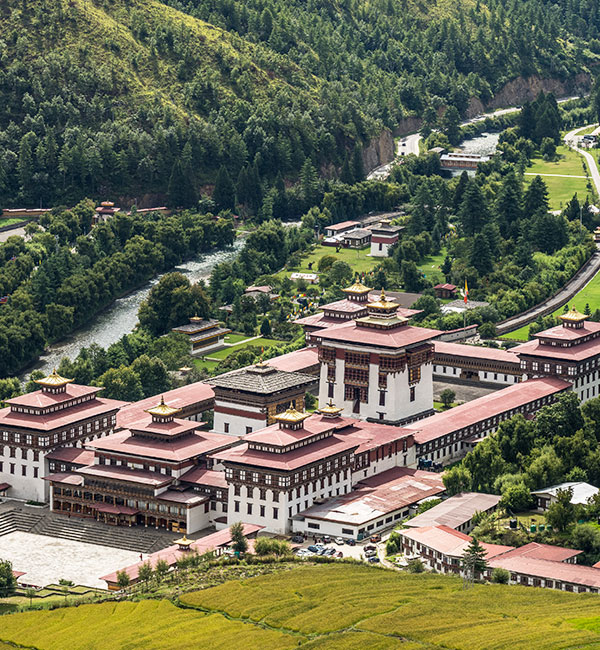
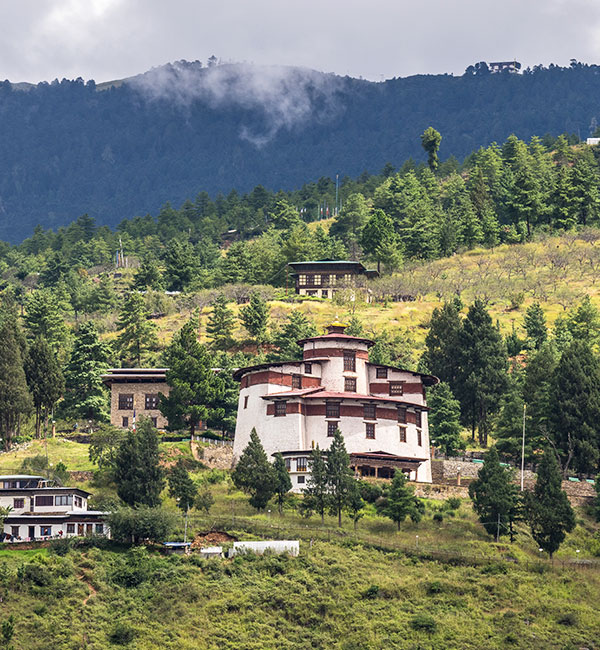
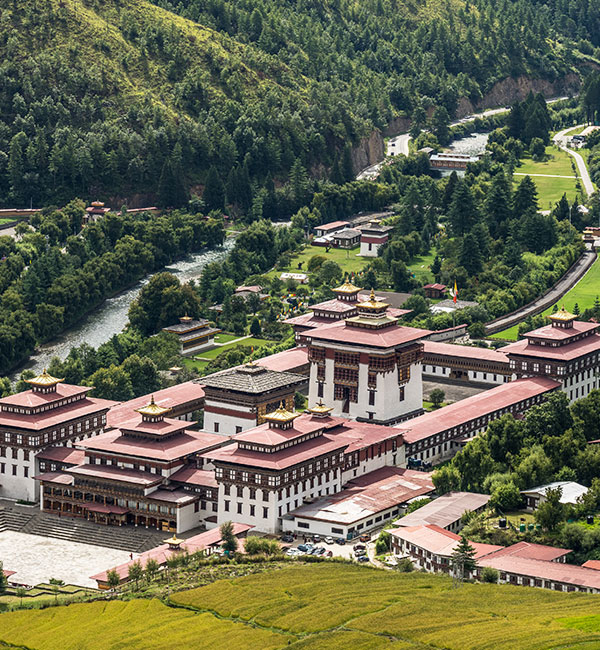
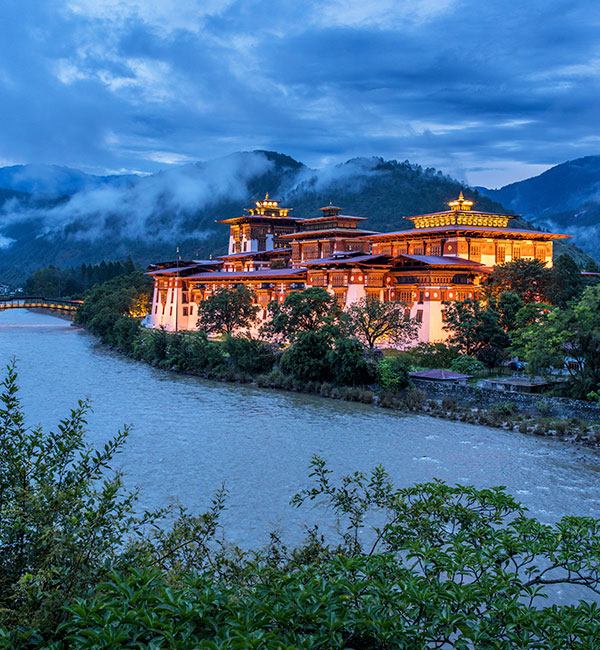
Bhutan's colorful culture pervades all aspects of daily life. It is legally required that all buildings have traditional architecture, such as hand-painted timber, shingle roofs, and tiered constructions. Every day, the locals proudly wear their national attire: the Gho for men (a knee-length robe belted at the waist) and the Kira for women (a beautiful, ankle-length wrapped dress). Bhutanese civilization is heavily influenced by Vajrayana Buddhism, which shapes their deep regard for environment, compassion for all living beings, and a quiet, mindful attitude to modern living.
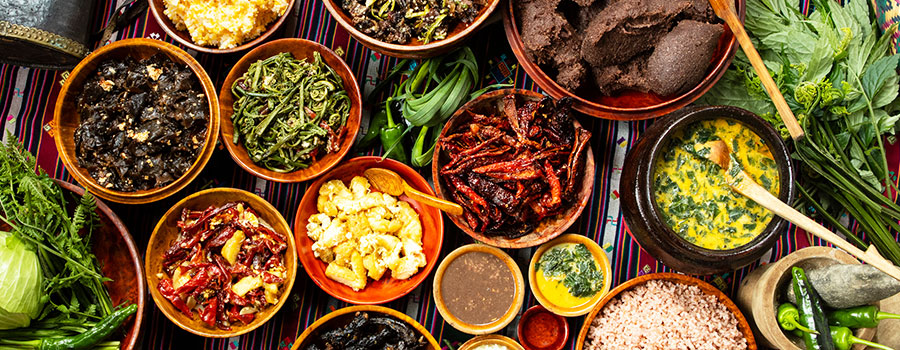
Bhutanese cuisine is a distinct, fiery adventure in which chili peppers are viewed as a staple vegetable rather than a condiment. The cuisine is deeply rooted in the country's high-altitude climate and Mahayana Buddhist ideals, with a focus on rich local cheeses, robust meats, and cold-weather cereals such as native red rice and buckwheat. Eating here is a communal, soothing activity designed to keep you warm, with nearly every traditional meal combining high heat with creamy dairy to create a flavor profile unlike any other in the world.
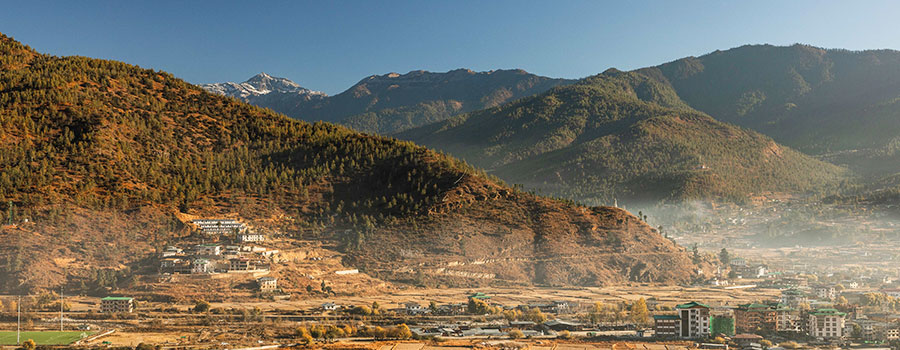
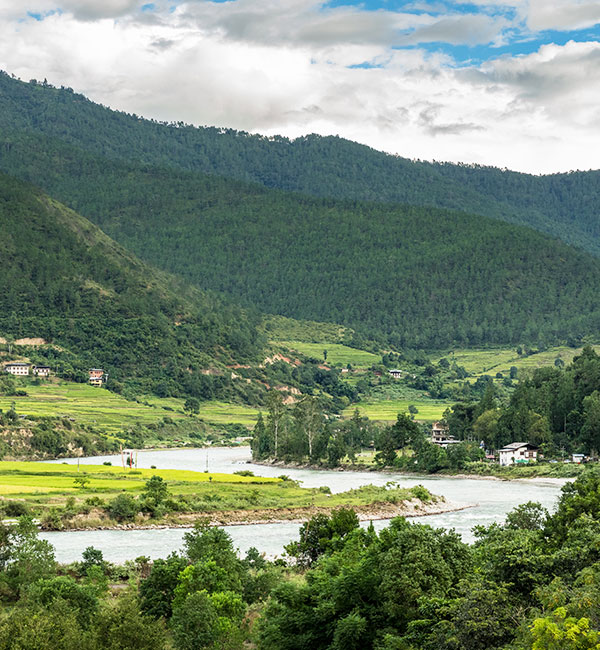
Bhutan's geography varies considerably from subtropical plains in the south along the Indian border to alpine peaks in the north bordering Tibet, with elevations surpassing 7,000 meters (23,000 feet). The country is divided into three regions: the lowlands, the central valleys (where important cities such as Thimphu, Paro, and Punakha are located), and the mountainous northern highlands. Bhutan is also the world's first carbon-negative country, which means that its lush woods absorb more CO2 than the country emits. Constitutional legislation requires that at least 60% of the land remain wooded for future generations.
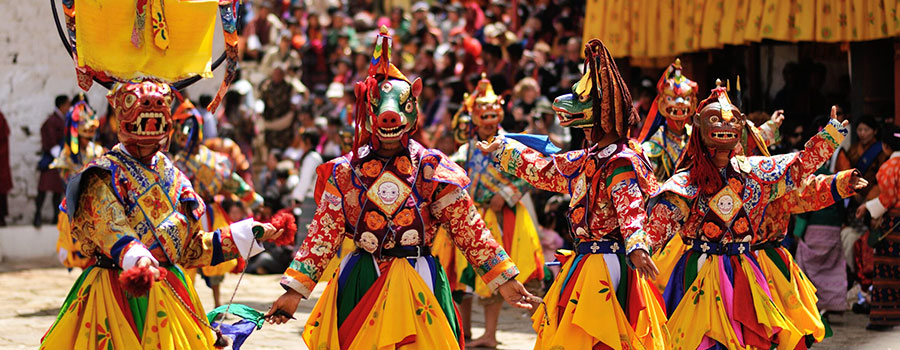
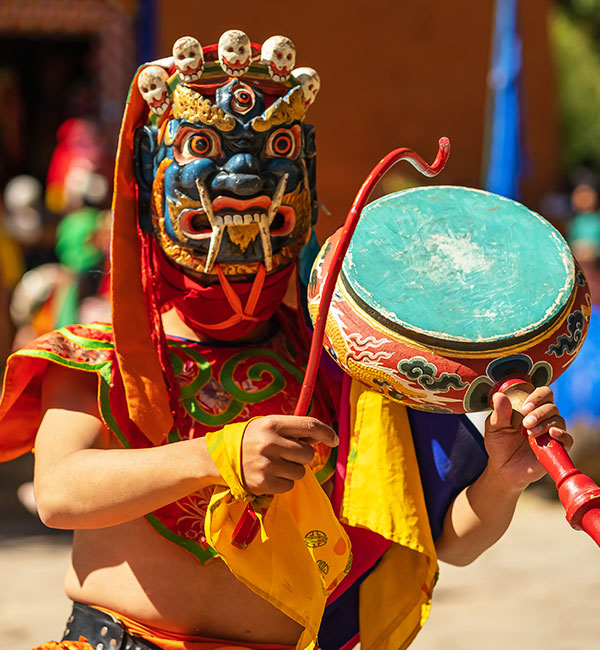
A Tshechu is a large religious festival held annually in several districts on the tenth day of a month in the Bhutanese lunar calendar. These festivals are exciting, multi-day spiritual events in which monks and laypeople dress in elaborate silk costumes and frightful wooden masks to perform old, coordinated dances (Cham). The dances depict stories of Guru Rinpoche (the saint who introduced Buddhism to Bhutan) and are thought to purify the sins of everyone who witness. The atmosphere is charged with music, laughing, social gatherings, and profound spiritual devotion.
Some of the most popular festivals include: